
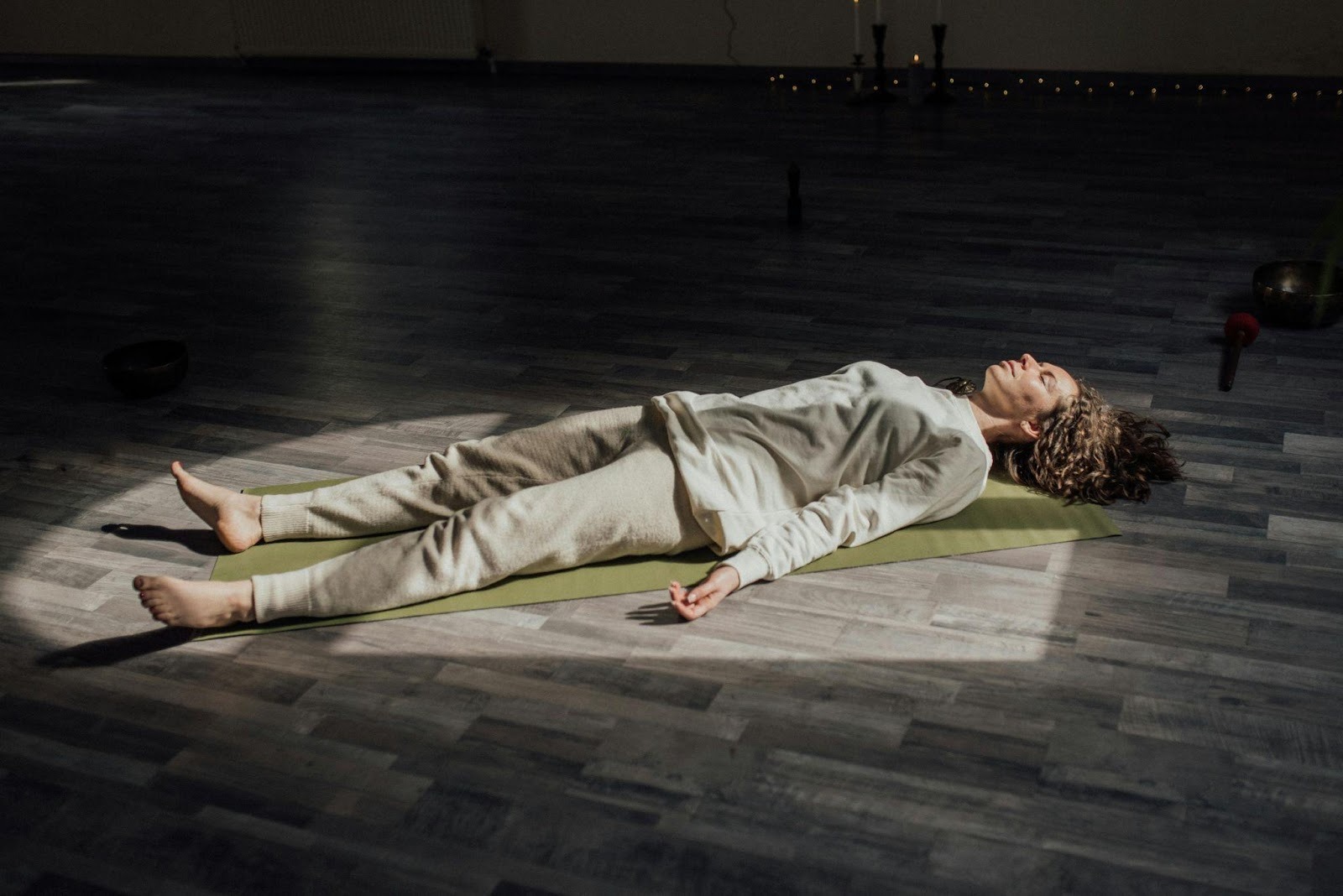
Everyone experiences mental and emotional turbulence, yet many overlook the simple, steady practices that help restore equilibrium. This article explores subtle, creative approaches to daily wellness that fit into ordinary routines while still shaping meaningful change.
Key ideas distilled into essentials
- Micro-rituals help stabilize mood by signaling safety and predictability.
- Externalizing emotions through visual or physical expression supports clarity.
- Environmental cues influence how quickly you recover from stress.
- Structured tools make emotional maintenance easier than unstructured reflection.
Releasing Thoughts Through Visual Expression
One unexpectedly grounding technique is turning emotional undercurrents into images. By translating internal experiences into shapes, light, and texture, people often discover a calmer vantage point on their thoughts. For example, you can explore an AI art generator. It might offer a gentle way to visualize moods. It can also help with questions that feel difficult to articulate. If you’re curious, this site has potential. You can use it by typing in a prompt to produce an image. Then, tailor the color palette, style, and lighting. These adjustments will reflect your inner landscape.
A Brief Comparison of Everyday Wellness Anchors
Here is a simple table introducing a few stabilizing practices and the types of support they offer.
| Slow boundary rituals | Reduces overwhelm | Creates cognitive closure between activities |
| Sensory grounding | Calms the nervous system | Anchors attention in the present moment |
| Micro-reflection notes | Builds awareness | Converts emotion into structured insight |
A Few Practices That Fit Into Ordinary Days
Below is a list offering lightweight habits that layer gently into busy schedules.
- Take a two-minute “reset step” every time you change contexts.
- Keep a single scent (candle, oil, or tea) linked to winding down.
- Pause midday to notice one thing that is going well.
- Try speaking worries aloud in a whisper to reduce their intensity.
A Practical Checklist for Restoring Calm
Use this short checklist to guide quick resets when your internal rhythm falters.
- Identify one sensation in your body without judgment.
- Shift your posture or environment by 10% (light, seat, sound).
- Externalize one thought onto paper, no matter how incomplete.
- Choose a tiny next action instead of solving the whole problem.
- Close the loop with a grounding breath.
FAQ
How do I know if a wellness habit is working?
You’ll notice smaller emotional swings, quicker recovery after stress, or clearer self-observation.
Are micro-rituals as effective as longer routines?
They can be. Consistency often matters more than duration.
What if none of these practices resonates?
Experiment with variations; a method that feels natural is more likely to stick.
Conclusion
Supporting daily wellness isn’t about dramatic reinvention. It’s about gentle, persistent signals that guide the mind back to steadiness. Small creative expressions, thoughtful environmental choices, and simple structural tools all help restore clarity. When practiced regularly, these micro-interventions build a resilient emotional foundation that sustains you through the shifting textures of everyday life.
 chantelkeona.com
Well shared 👌wishing you a very happy new year 🥳
Happy New Year!
🙏